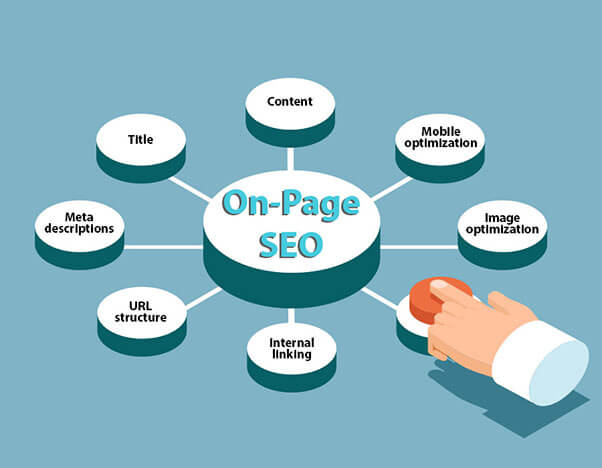
What Is On-Page SEO?
On-page SEO, sometimes called on-site SEO, focuses on fine-tuning individual web pages so that search engines can clearly understand what a page is about and how relevant it is to a user’s search. This process helps improve a page’s visibility in search engine results pages (SERPs).
The main focus of on-page SEO is improving both the content and the HTML source code of a page. By doing this, search engines can more easily crawl, index, and rank the page for relevant search queries. Important elements include page titles, headings, content quality, internal links, images, and overall user experience.
The primary goal of on-page SEO is to ensure that a webpage matches user search intent, delivers valuable information, and clearly communicates its topic and importance to search engines.
Why Is On-Page SEO Important?
On-page SEO plays a major role in how well a webpage performs in organic search results. Even high-quality content may struggle to rank if search engines are unable to interpret it correctly.
Effective on-page SEO helps to:
- Improve search engine visibility
- Drive consistent organic traffic
- Enhance overall user experience
- Reduce bounce rates
- Achieve higher rankings for target keywords
When pages are properly optimized, they have a better chance of appearing on the first page of search results and attracting the right audience.
On-Page SEO as a Digital Marketing Practice
On-page SEO is a core part of digital marketing and applies to all types of websites, including blogs, business websites, e-commerce platforms, service pages, and educational portals.
Whether a website sells products, offers services, or shares information, on-page SEO ensures that each page clearly communicates its purpose to both users and search engines.
Key Elements of On-Page SEO
On-page SEO is made up of several important components that work together to improve search rankings and user experience.
Title Tags
Title tags act as the headline of a webpage and appear in search engine results. A well-optimized title tag includes the primary keyword, follows recommended length guidelines, and accurately describes the page content.
Meta Descriptions
Meta descriptions provide a short summary of a page’s content in search results. While they do not directly affect rankings, compelling meta descriptions can significantly improve click-through rates (CTR).
Headings (H1–H6)
Headings help organize content and improve readability. The H1 tag should clearly define the page topic and include the main keyword, while subheadings structure supporting information.
URL Structure
SEO-friendly URLs are short, descriptive, and include relevant keywords. Clean URLs help search engines understand the page content and improve user trust.
Content Quality and Relevance
High-quality content is the foundation of on-page SEO. Content should be original, informative, well-structured, and aligned with user search intent. Keywords should be used naturally and meaningfully.
Internal Linking
Internal links connect related pages within a website. They help search engines crawl content more effectively and distribute ranking signals across multiple pages.
Image Optimization
Optimized images improve page speed and accessibility. This includes using descriptive file names, relevant alt text, and proper image compression.
Page Experience and Core Web Vitals
User experience is an important ranking factor. Page speed, mobile responsiveness, visual stability, and smooth interaction performance all contribute to successful on-page SEO.
Why On-Page SEO Is Critical for Rankings
Search engines aim to deliver the most relevant and valuable results to users. On-page SEO helps search engines evaluate:
- What a page is about
- How useful it is for users
- Whether it satisfies search intent
Without proper on-page optimization, even strong backlinks and domain authority may not result in high search rankings.